
Working from home has quickly become the “new normal.” While remote work offers incredible freedom and flexibility, it also comes with a hidden cost: burnout. Many remote professionals report feeling more exhausted than ever, even though they no longer commute or spend hours in an office.
So, how can you protect your energy and stay productive long-term? Here are five proven strategies to prevent remote work burnout:
1. Create a Real Workspace (Not Just Your Couch)
Your brain needs clear boundaries. Working from your bed or sofa blurs the line between rest and work.
👉 Invest in a simple but comfortable setup: a desk, ergonomic chair, and good lighting. Not only will your productivity improve, but your body will thank you.
2. Set Clear Work Hours
Remote work often means “always available.” Without structure, burnout is almost guaranteed.
-
Decide when your workday starts and ends.
-
Use digital calendars to block focus time.
-
Communicate your schedule with coworkers and family.
3. Prioritize Movement and Breaks
Sitting for long hours drains both your energy and creativity.
-
Take 5-minute breaks every hour.
-
Try a short walk, stretching, or even a quick workout at home.
-
Remember: movement fuels focus.
4. Master the Art of Disconnecting
Remote workers often struggle to unplug after hours.
-
Close your laptop at the end of the day.
-
Turn off work notifications on your phone.
-
Create evening routines that signal “it’s time to rest.”
5. Use Resources to Reset and Grow
Sometimes, you need structured guidance to reset your habits. That’s why many remote professionals turn to books and resources like:
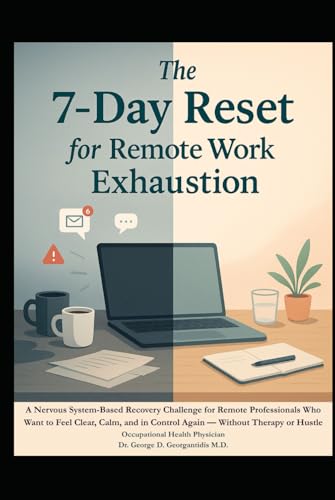
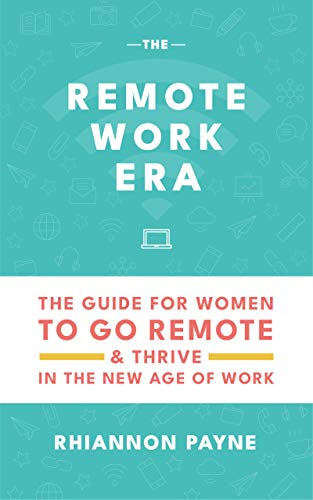

Remote work can be your greatest career advantage—if you protect your energy and design routines that support your well-being. By setting boundaries, moving your body, and using the right resources, you’ll not only avoid burnout but also thrive in this new era of work.